Showing posts with label ottoman. Show all posts

Wednesday, May 11, 2016

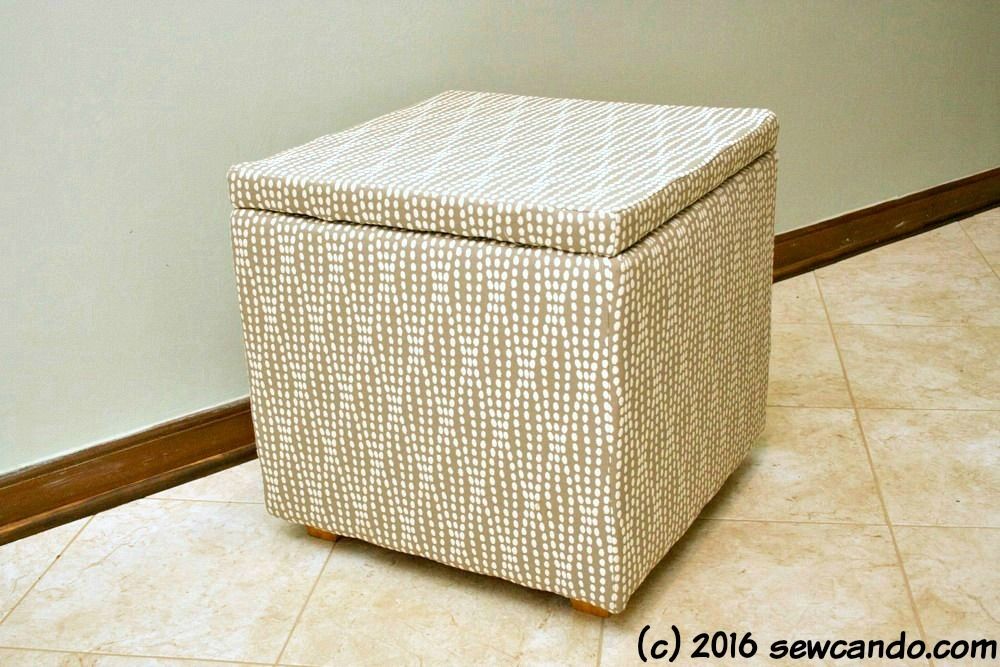
The Reupholstered Storage Cube ANYONE Can Do


Do you love DIY'd home decor?  Doing makeovers on stuff in the house?  I love the idea of revamping things to pretty up my house, but execution-wise, I always feel like I'm flailing around.  Stuff ends up looking like I cobbled it together myself.  Blindfolded.   Is that better than just buying something new?  Not really.  Except with today's project.  Which tells me if I can make it look good anyone can.


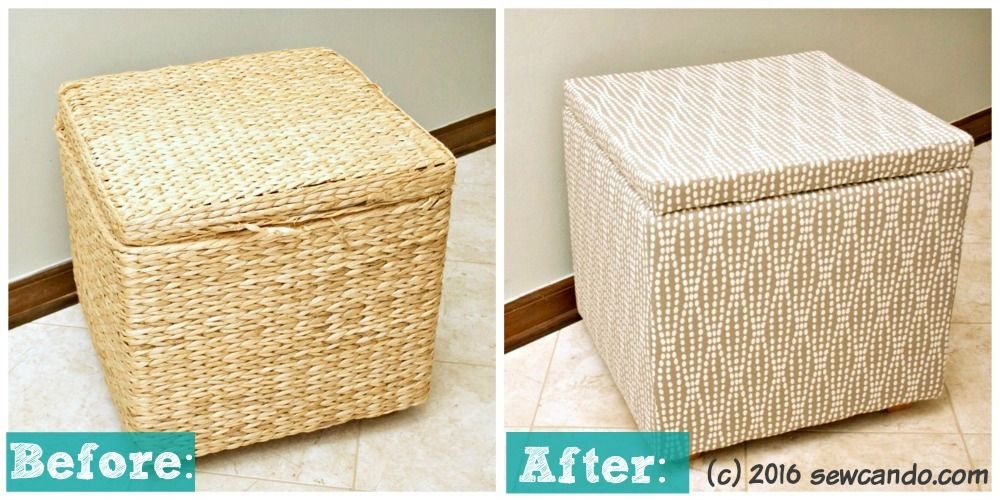
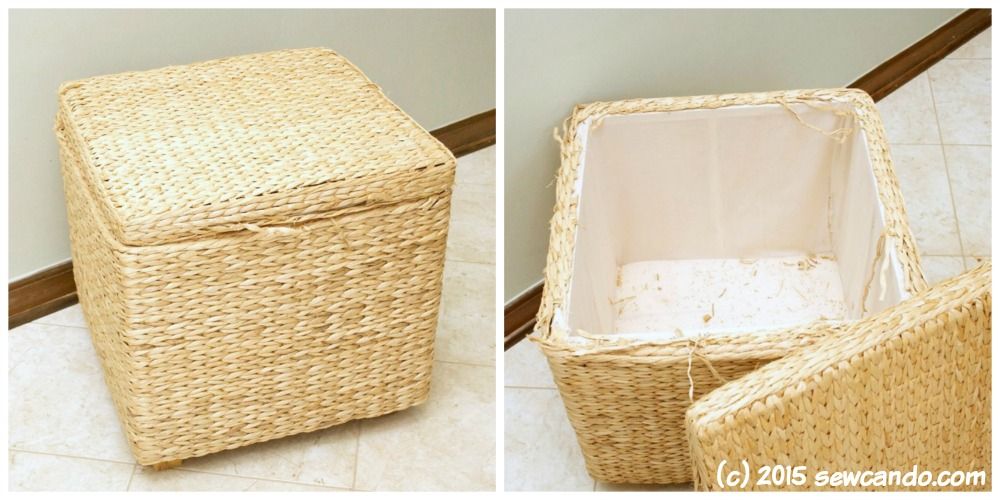
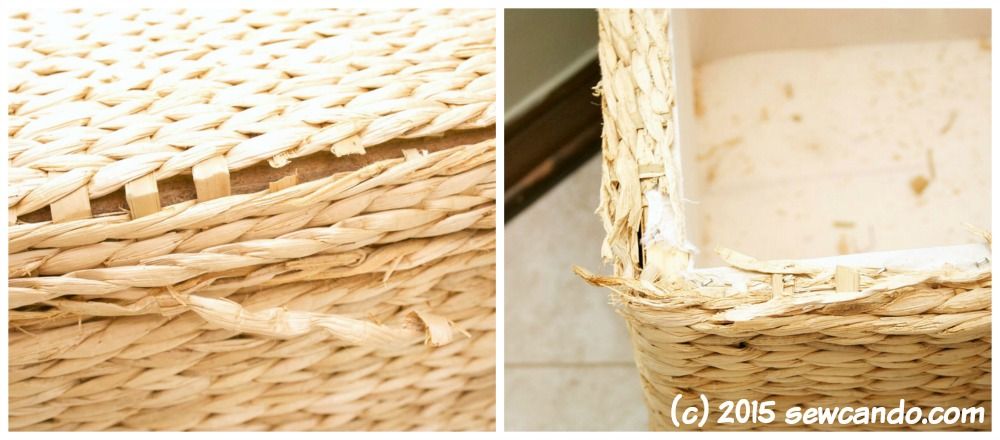
We had this rattan cube for years.  The kids stored their dress-up clothes in it and helped keep our family room from totally being taken over by kid stuff.  I'd loved it, but it started to show its age and look worn out:


We found a bigger basket hamper to replace it, but I still couldn't bear to throw this guy away.  His bones were still good, just looking superficially rough.  There was no way I could repair his woven exterior, but I could give him a total body lift!     


Added bonus: it cost me $0.  That's right: FREE.  I had some old batting and this really nice Waverly Home Decor fabric in my stash crying out to be used:


I'd won the fabric as a prize in a design competition a few years back - when I'd created this fabric clock project:  


Knowing I wasn't out any money really helped.  If things turned disastrous, it wouldn't be a loss, right?  I tend to get paralyzed with indecision when tackling a new home project, because I'm afraid I'm going to mess up and waste valuable materials.  Great mentality for a crafter, right?  Ha.

Materials:
- Ratty storage cube
- Home decor fabric ( I used about 1 1/2yds)
- Poly batting 
- Staple gun
- Sewing machine
- Notions: Yard stick/ruler, rotary cutter
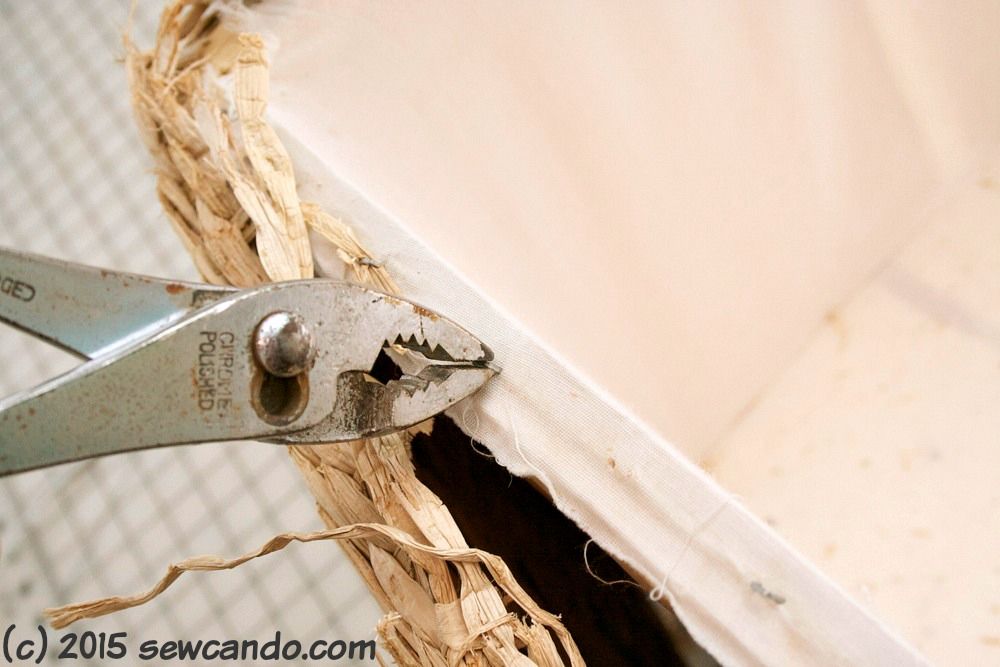
First I used pliers to pull out the staples that held the rattan on:


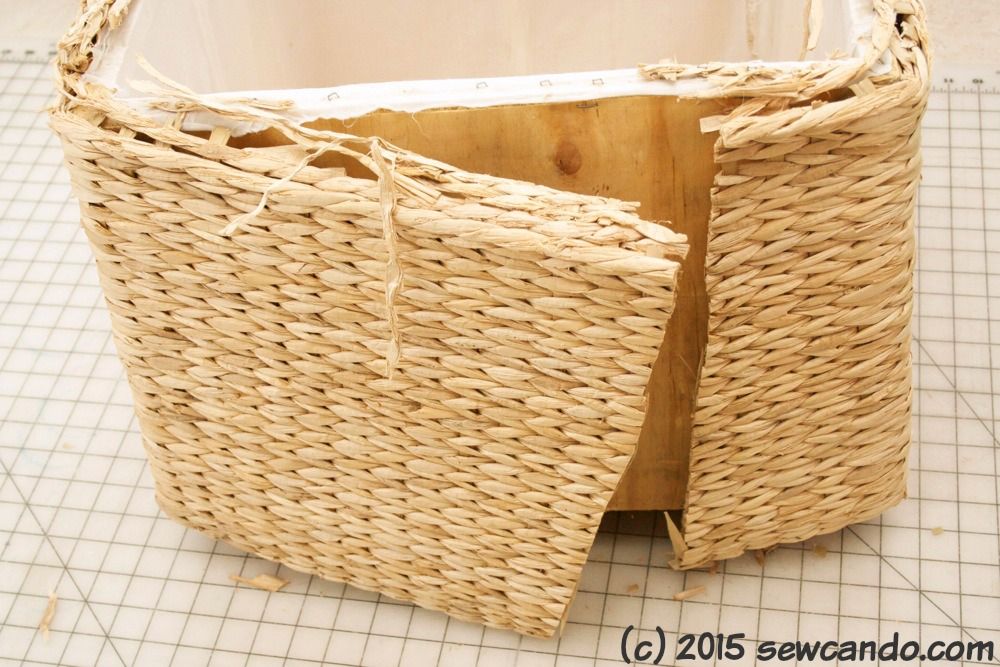
Then, I carefully cut through one side to easily take it off in one piece:  


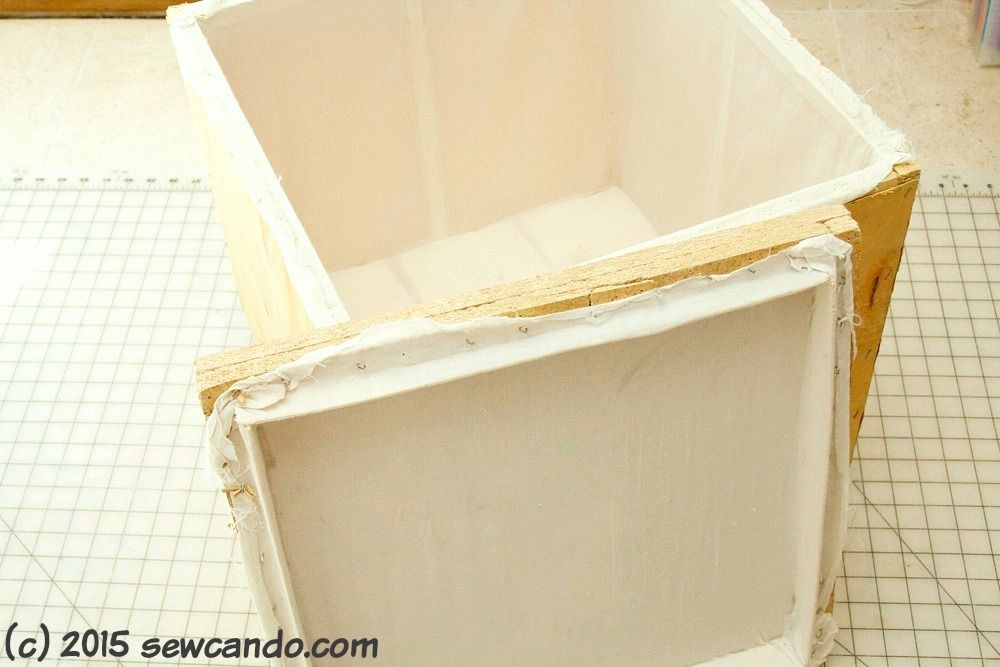
The base unit was MDF & thin wood veneer.  Not nice on it's own, but perfect for upholstering with a little padding & fabric:


I measured the sides and decided to cut four pieces that were 1/2 inch wider on either side (for the seam allowance) and 2 inch higher on top & bottom for folding in.  For the lid I added an extra 1/4 inch on all sides of the top piece and for the lid side strips, I added 1/4 inch to the short sides and 2 1/4 inches to the height.  I also cut the same pieces from my batting.
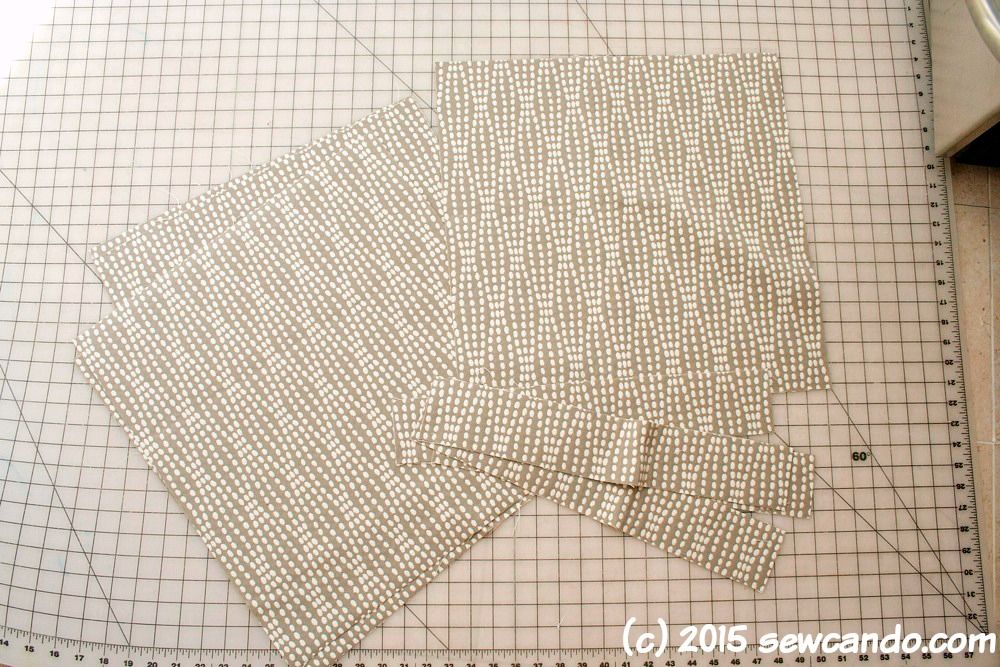


I stitched the four sides together to make the main shell and did the same with the corresponding batting.  


I slide the batting into place and then carefully pull the fabric "sleeve" over it.  It was a snug fit, so I went slowly to keep the batting from shifting.
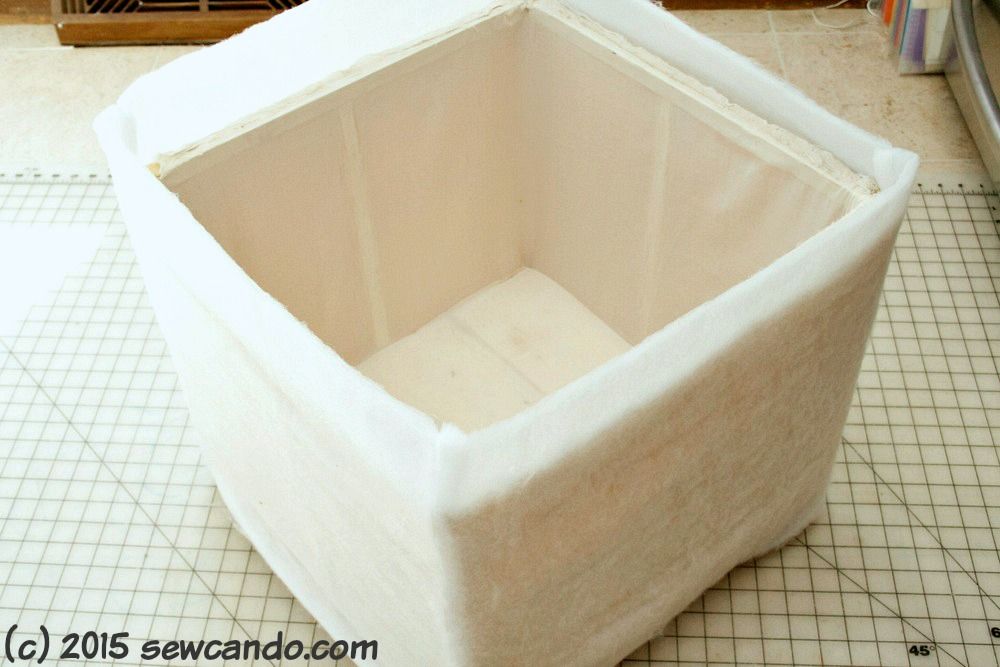


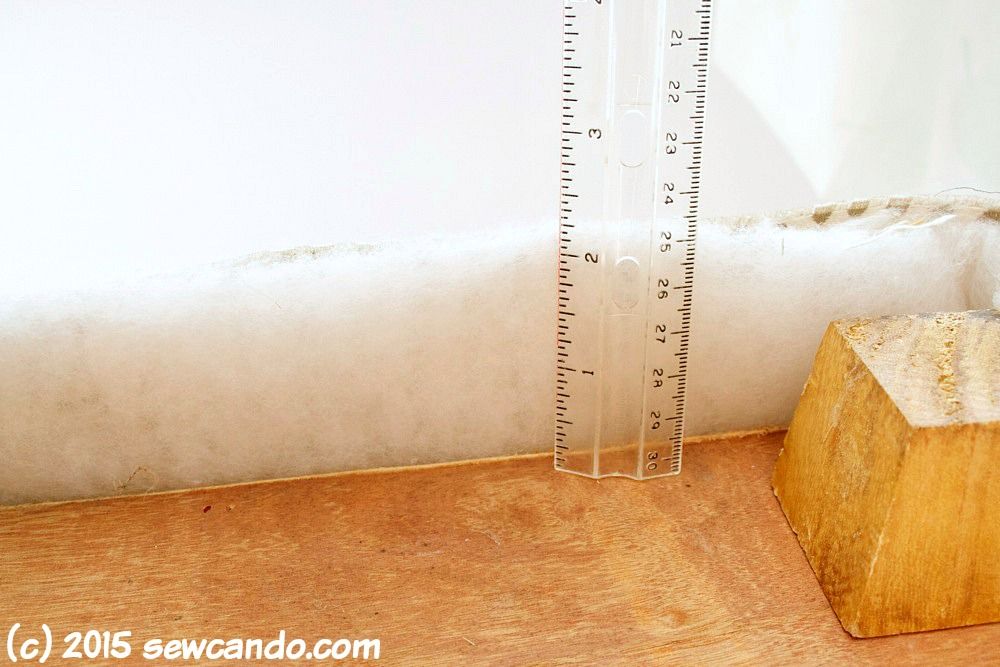
I measured my fabric sleeve all the way around and shifted as needed to make sure there was 2 inches on all sides:


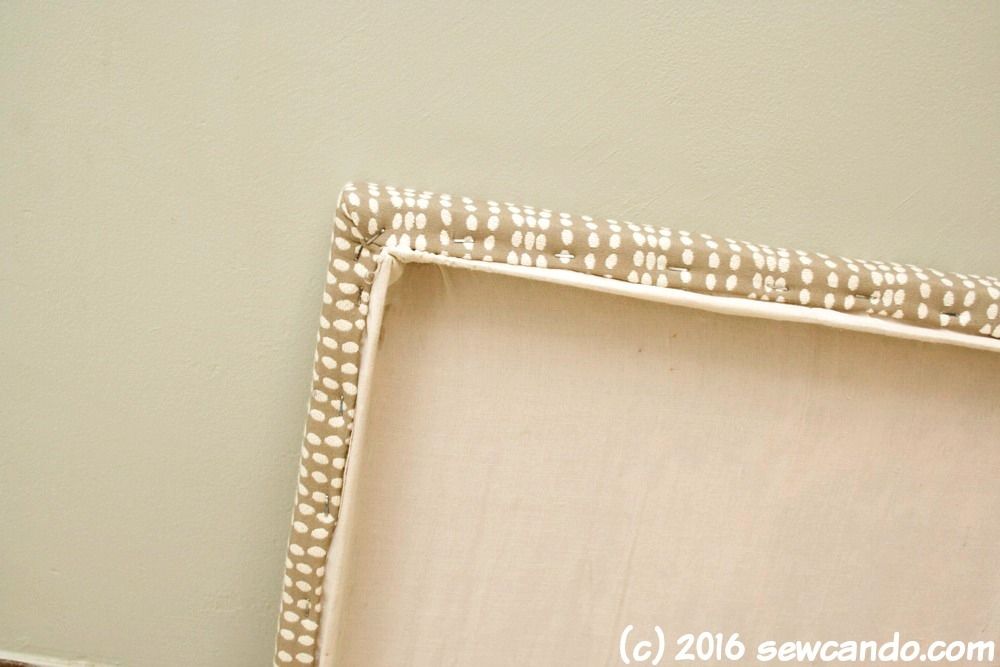
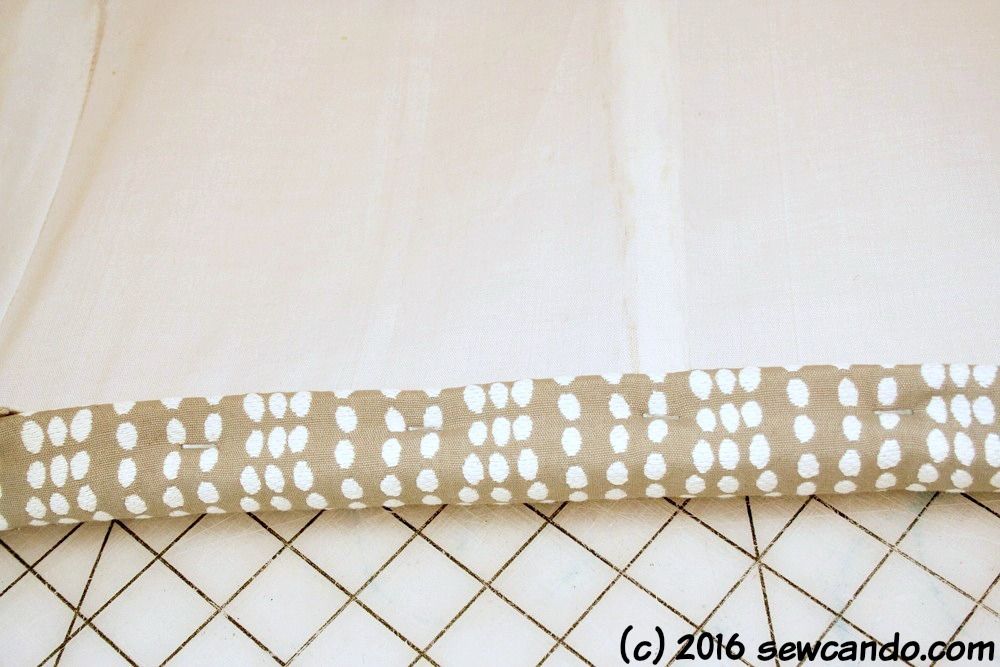
Once everything was even, I set to double folded the raw edge under and then stapling it down underneath and on the inside.  Holding it taught is key.

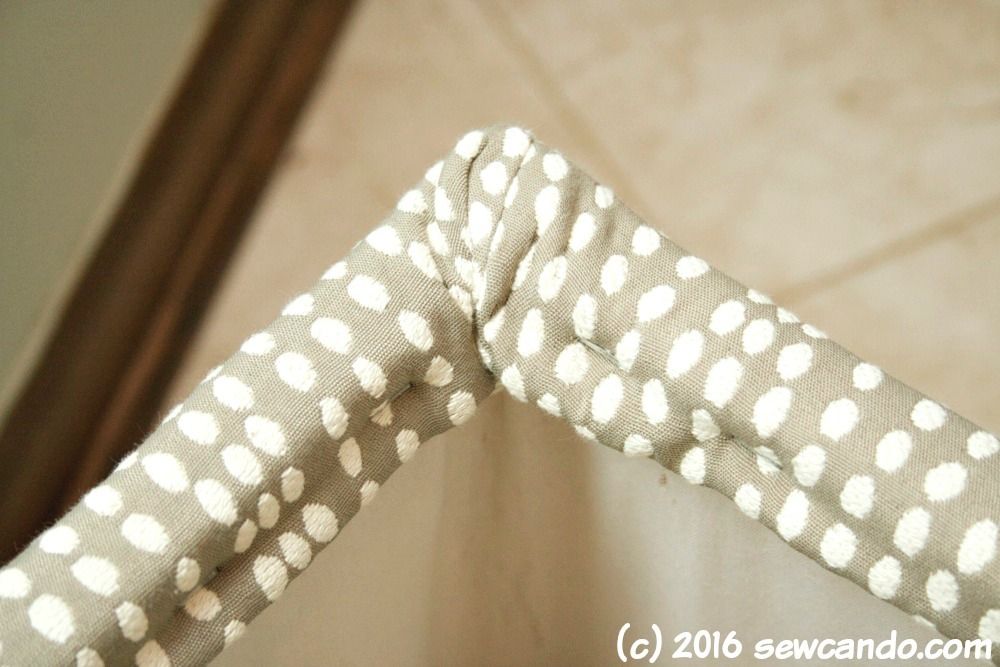
I started in the middle to anchor things and then folded the corners in, flattening them down and then stapling down the sides over them:


For the lid I stitched the thin side pieces to each of the lid top sides with a 1/4 inch seam allowance:
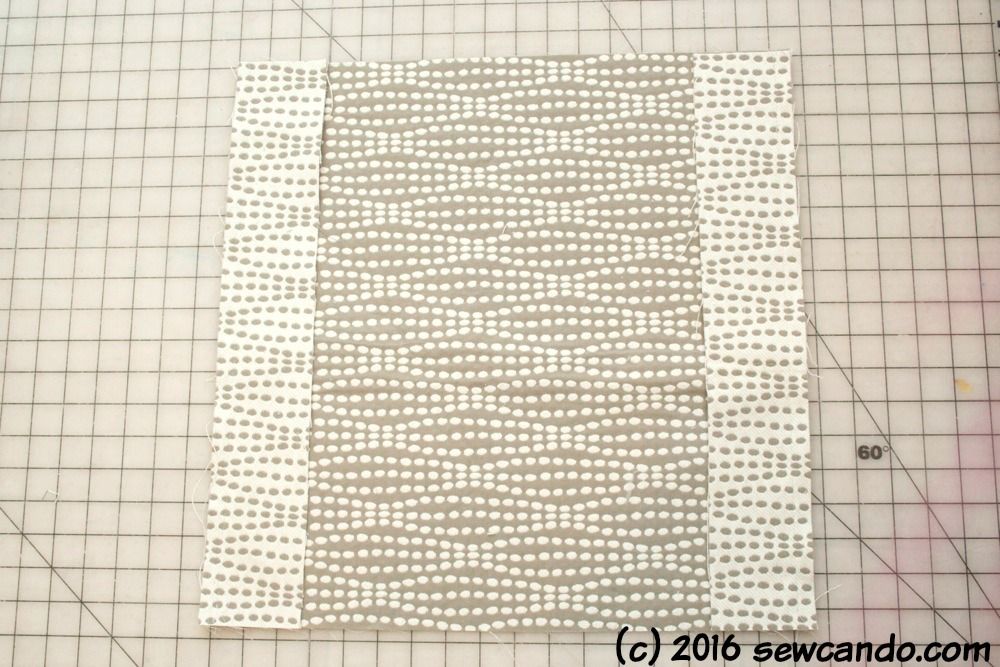

I made sure to stop stitching a little bit before the ends, so it would be easier to do the short sides:
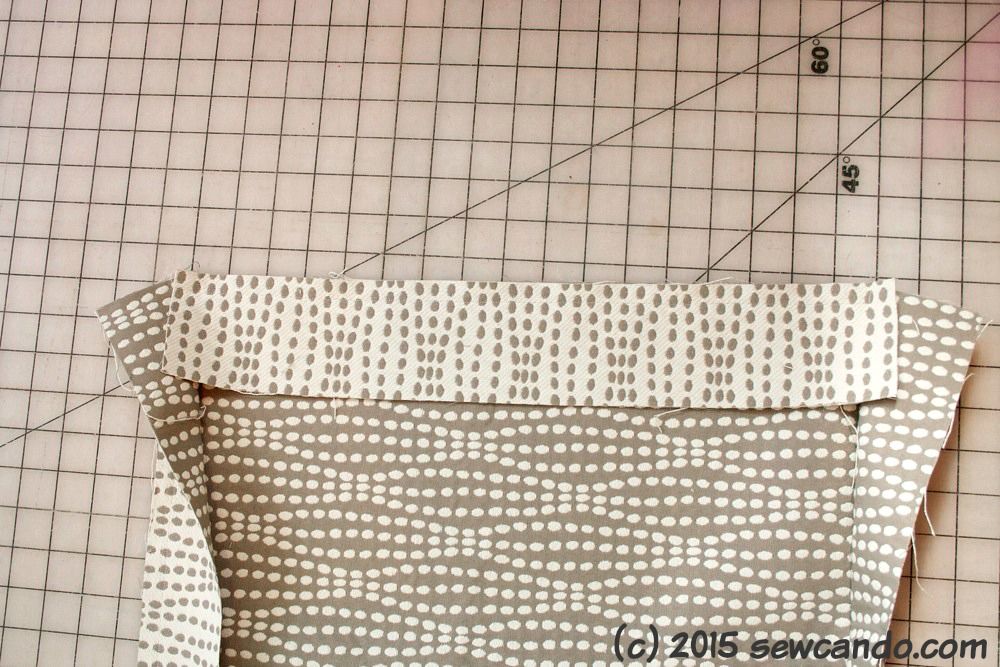


For the sides, I pulled them together and stitched down, crossing over the stitching at the top to get the corners nice & crisp.  
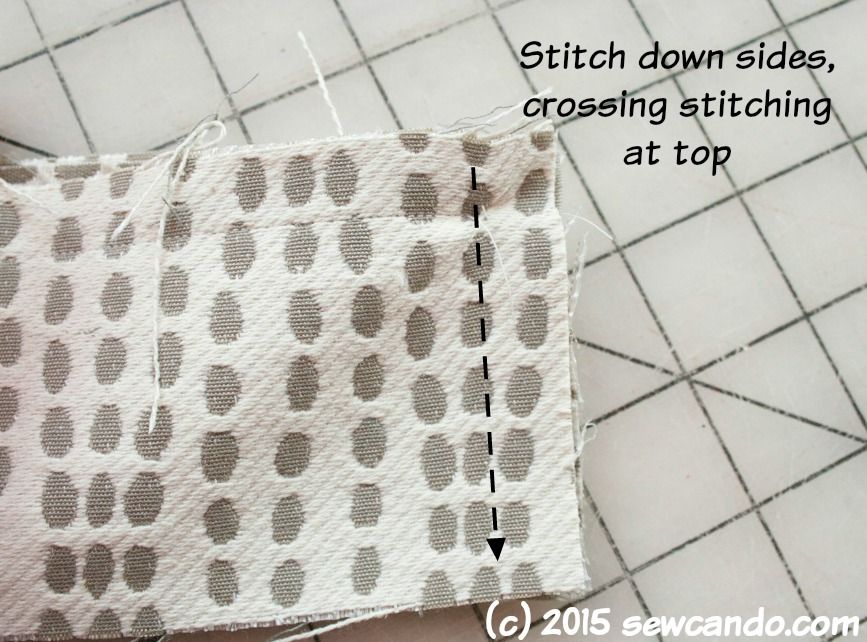


I did the samewith the batting version and then the folding + stapling to secure them to the lid.


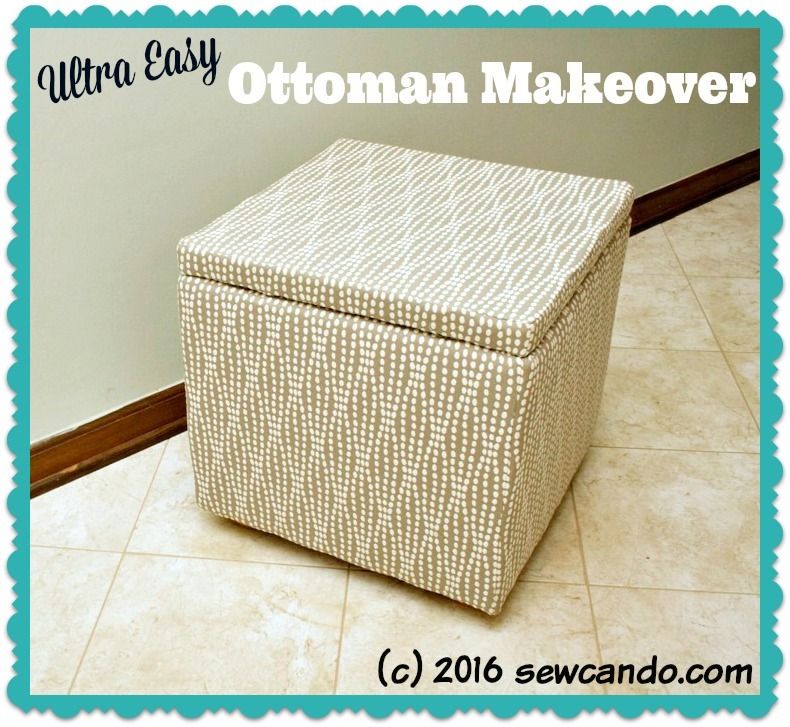
The nicest part is every time I look at it I'm pleased and like how it turned out.  This is the total opposite of most of my DIY home projects (where I notice my goofs more than anything).It looks like it came from a store - even up close - which is my "decor success" test.  


So often DIY projects look great in those far away beauty shots online, but get next to them in real life and the homemade-y quality jumps out.  Maybe I'm too much of a perfectionist, but when I'm asked "Oh, did you make that?" that always translates to "Cause it looks like it!" in my mind.  I guess this is a reminder to keep on trying, because sometimes it'll end up a winner!


Wednesday, June 25, 2014

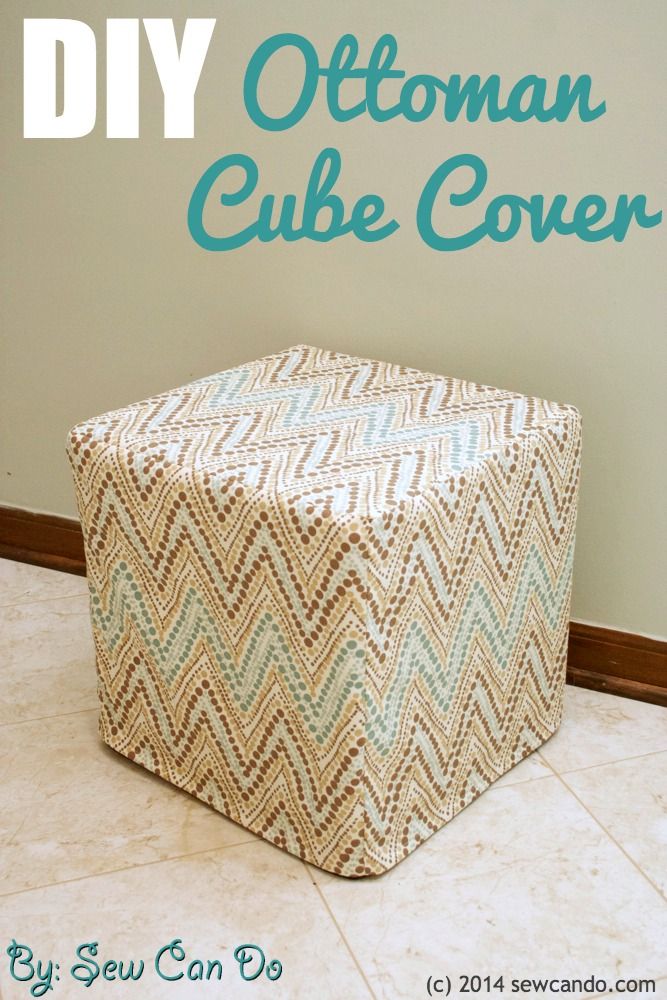
How To Make A DIY Custom Ottoman Cube Cover


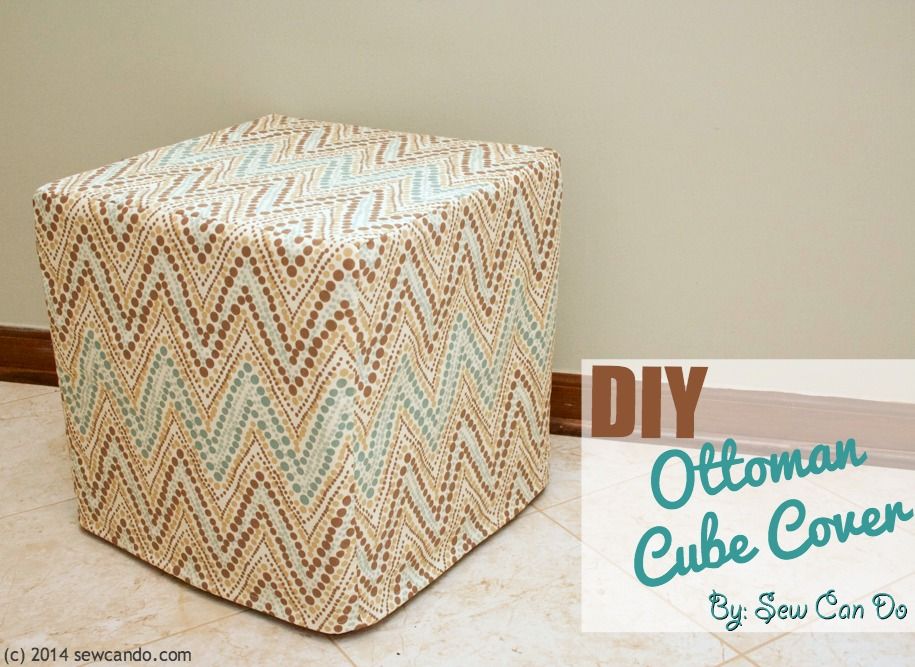
Ever have something in your house that's a real challenge to replace?  That was me before I began today's project: my DIY Ottoman Cube Cover.  Luckily it's resulted in a major decor improvement at a cheap price AND a handy tutorial I could share here.  Double win!! 

Project Back Story:
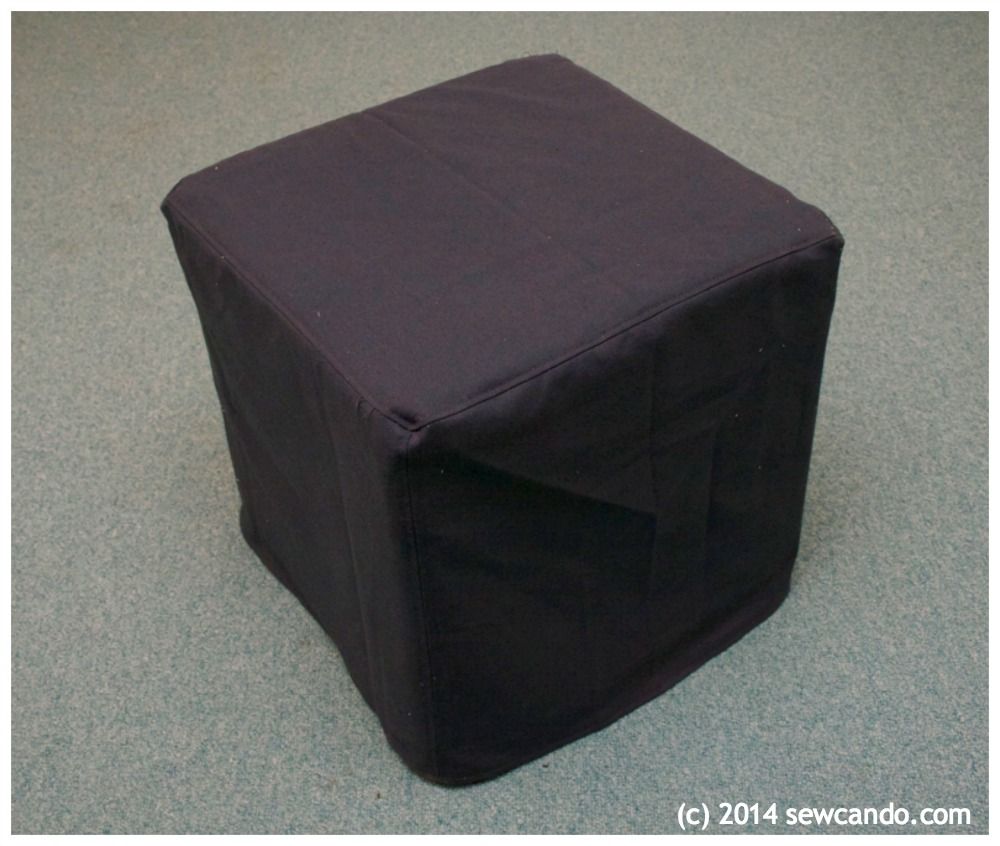
We had two foam cubes in our family room that acted as side tables, footstools and bonus seating.  They were beyond handy & we loved them.  However, after a decade of serious use they were saggy and pretty stained-up.  It was time to replace them, but I spent months looking with no luck.  Sure there were cubes out there, but most were either squashy beanbag style that wouldn't work or were too crazy expensive for my kids to climb all over.    

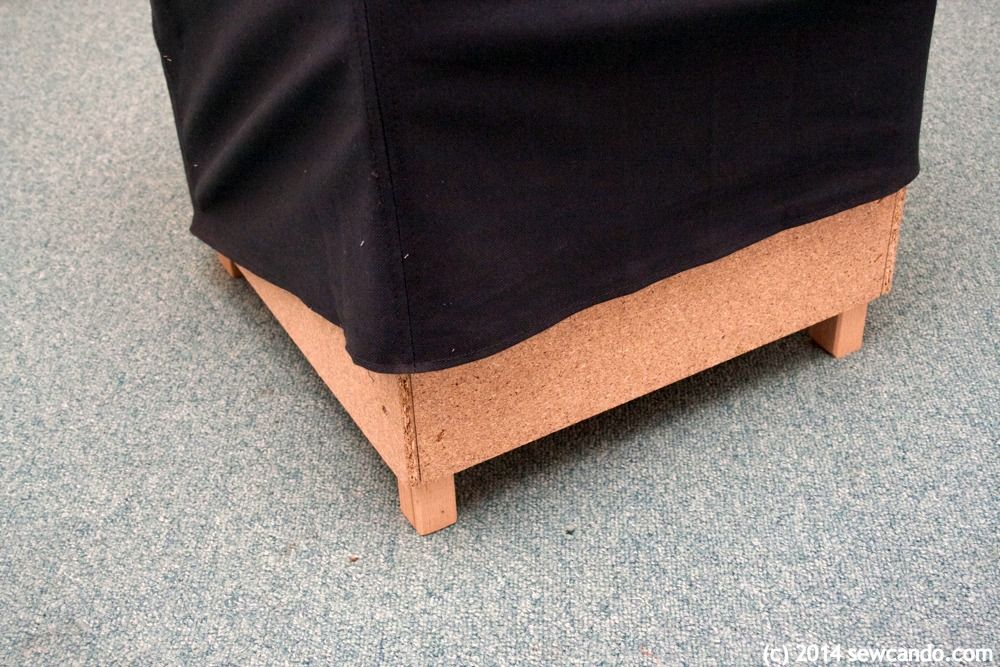
I finally hit pay dirt at good old Ikea with their Solsta Pällbo Footstools.  At $14.99 each they were a steal, so I grabbed two.  They have foam on top for a soft seat, but the frame is all woodish (particleboard + wood legs) so they're pretty sturdy and won't lose their shape like the old ones.


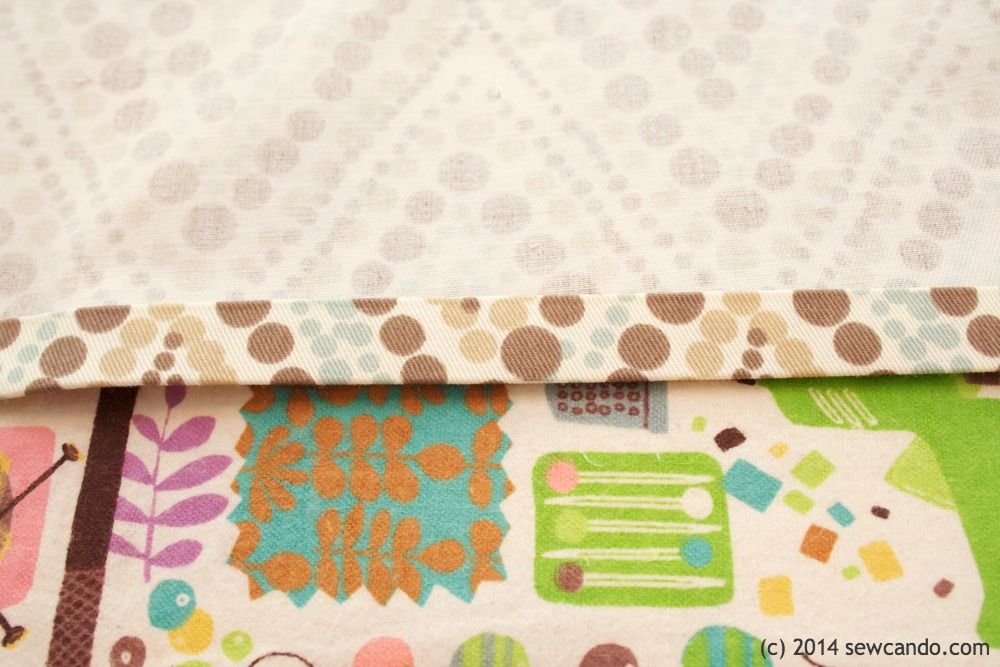
The trouble was that they only came in boring black, which didn't match my decor at all.  I found some fun home dec fabric on sale and set to making some new covers to customized those plain, drab cubes.  


Materials:
- 1 7/8yd non-directional or 2 1/4yd directional print home decor fabric (54 inches wide)
- Notions: yardstick, rotary cutter, pins, iron, matching thread, pinking shears
- Cube/Ottoman to cover

* I'm giving dimensions & yardage to fit my two 15 inch cubes, but this could be adjusted to do any size cube or rectangle.

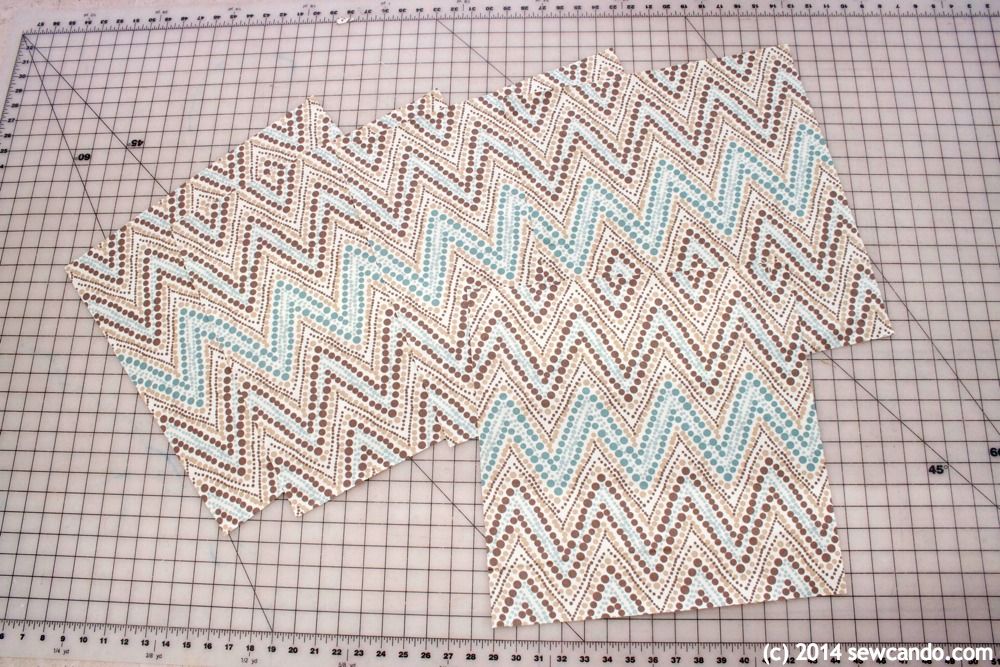
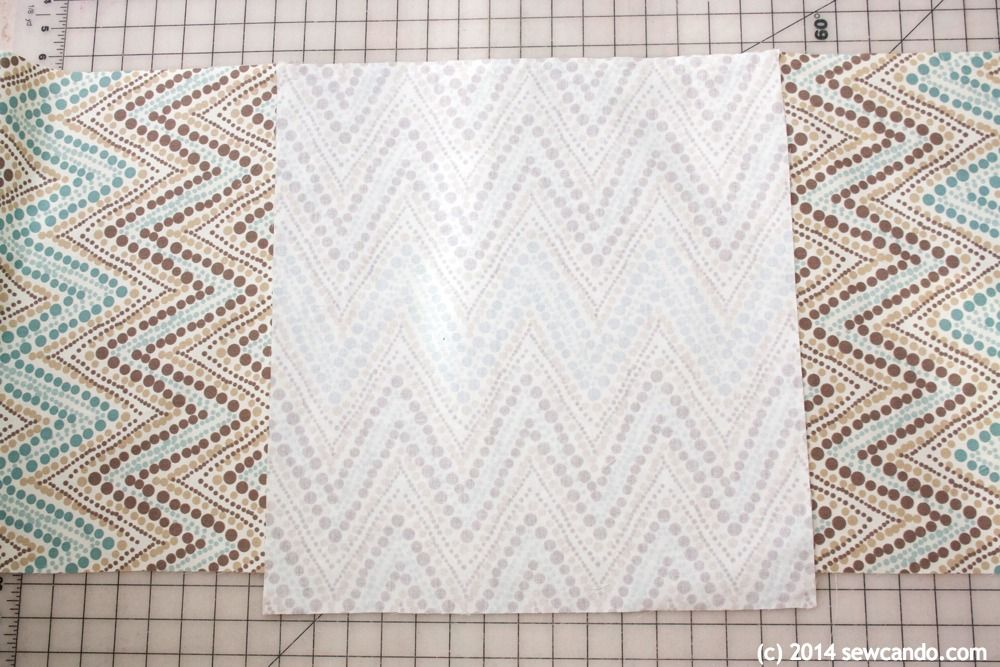
For each cube cut one 16 inch square for the top and four 16 inch wide by 17 inch high rectangles for the sides.  I wanted my print's repeat to match up so I used the first pieces to help line things up when cutting the others.


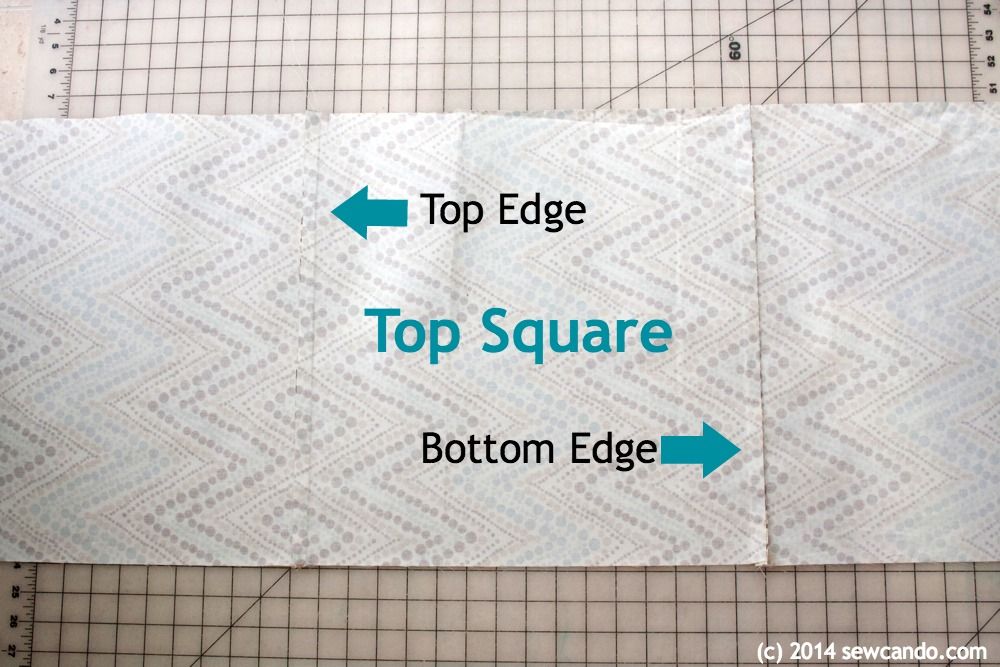
Start by stitching side panels to the top and bottom edges of the top piece of the cover (right sides facing obviously).  Use a 1/2 inch seam allowance and start and stop each seam 1/4 inch inward from the ends. This will make it easier to put together the corners later.  


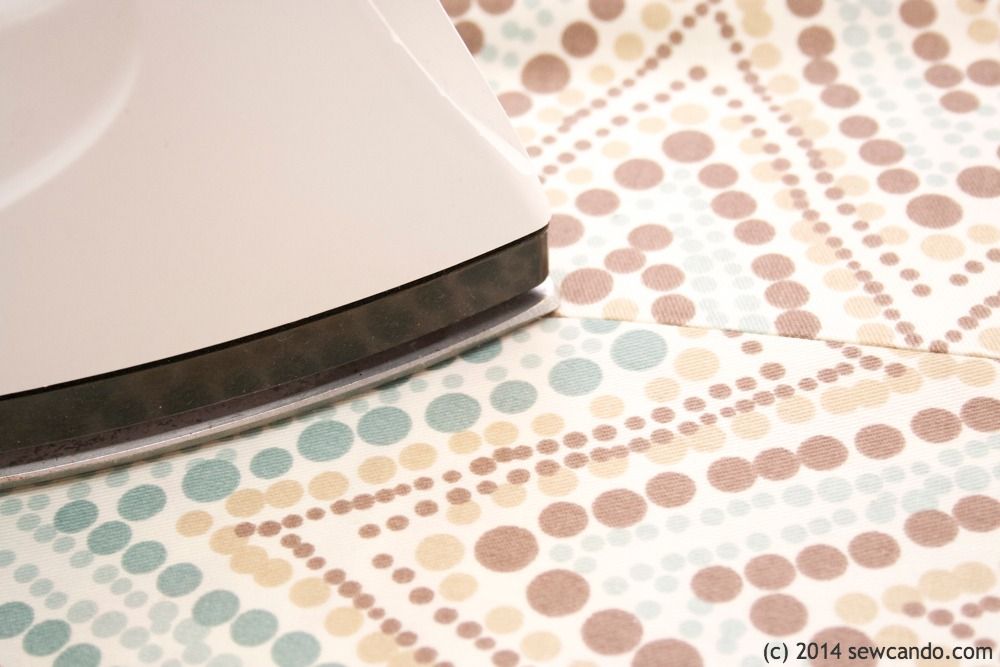
Press the seam allowances towards the sides and press along the right side too so the seams are nice and flat.  


With the top facing right side up, place another side face down and repeat stitching & ironing. Do the same with last piece on remaining top side.


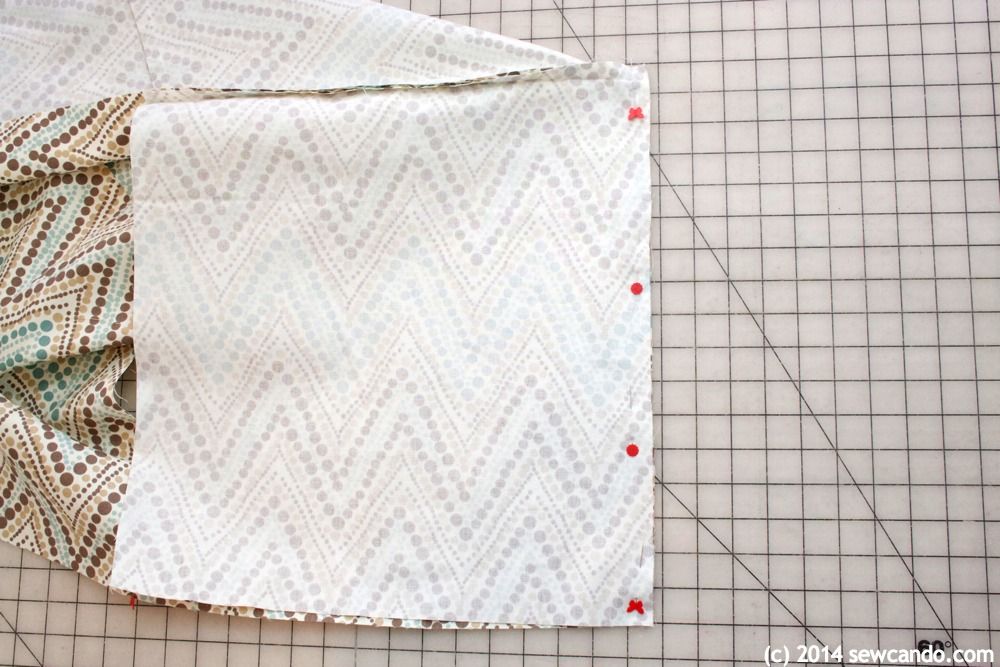
Now bring two side pieces together and pin.


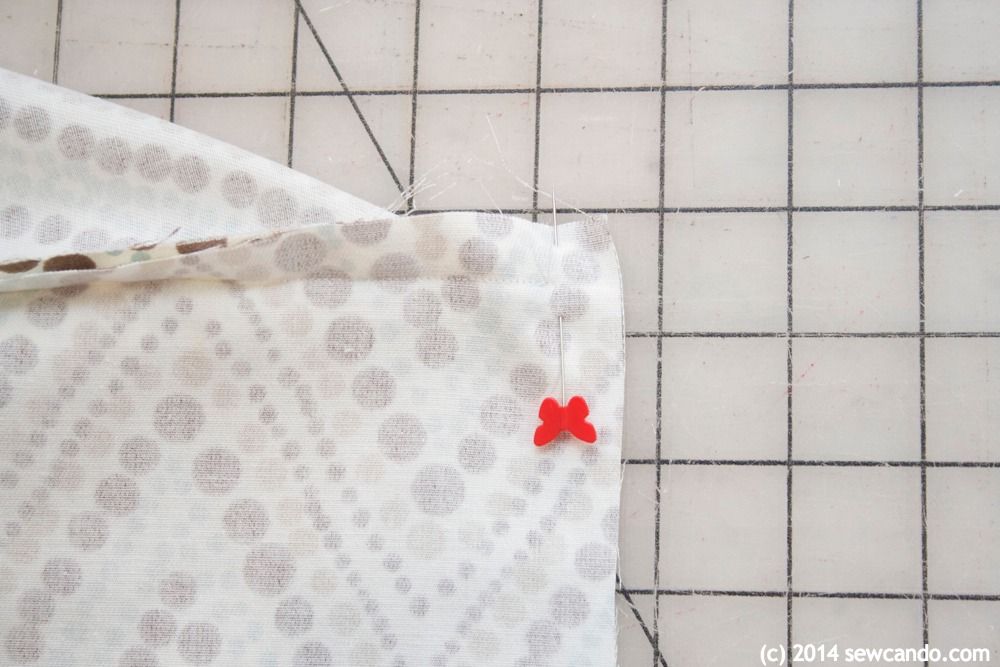
At the top corner make sure the fabric lays nice & flat and stitch downward, just crossing over the horizontal seam, then clip the points off each corner and trim seam allowances on sides.


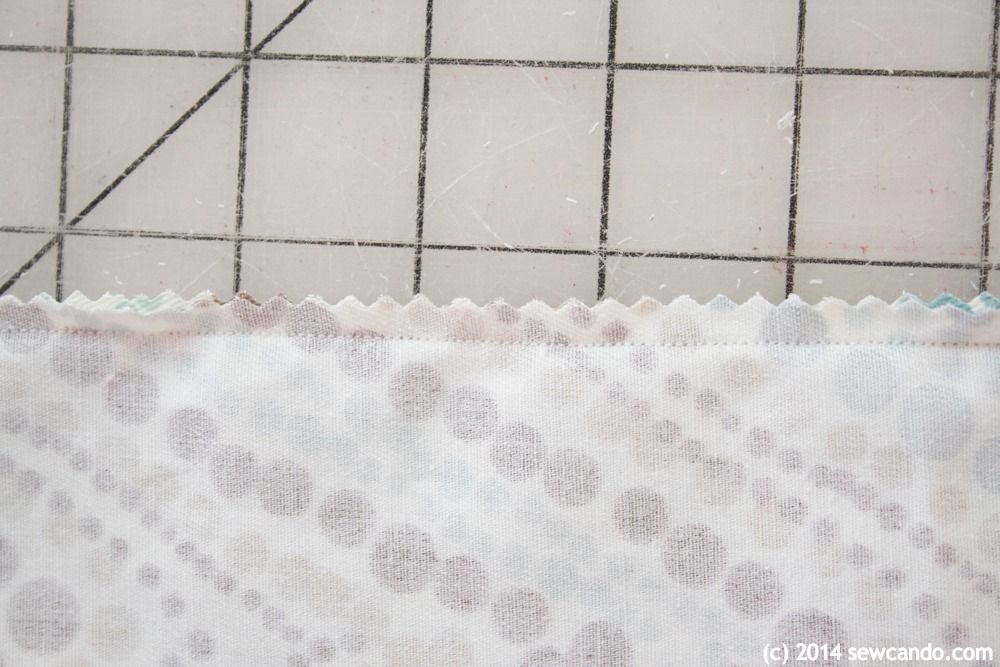
Home dec fabric tends to fray a lot so I recommend doing one of the following: doing a zig-zag over the raw edge, serging or, as I prefer (since it's fast and easy), trimming with pinking shears:


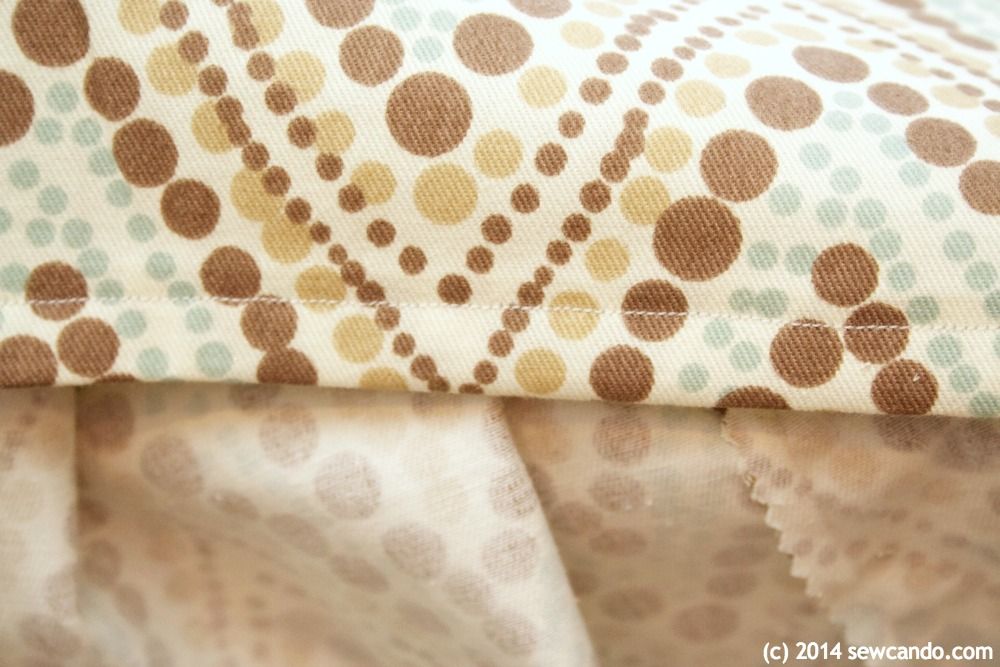
Fold up the bottom edge 3/4 inch and press, then fold & press again to create the hem:


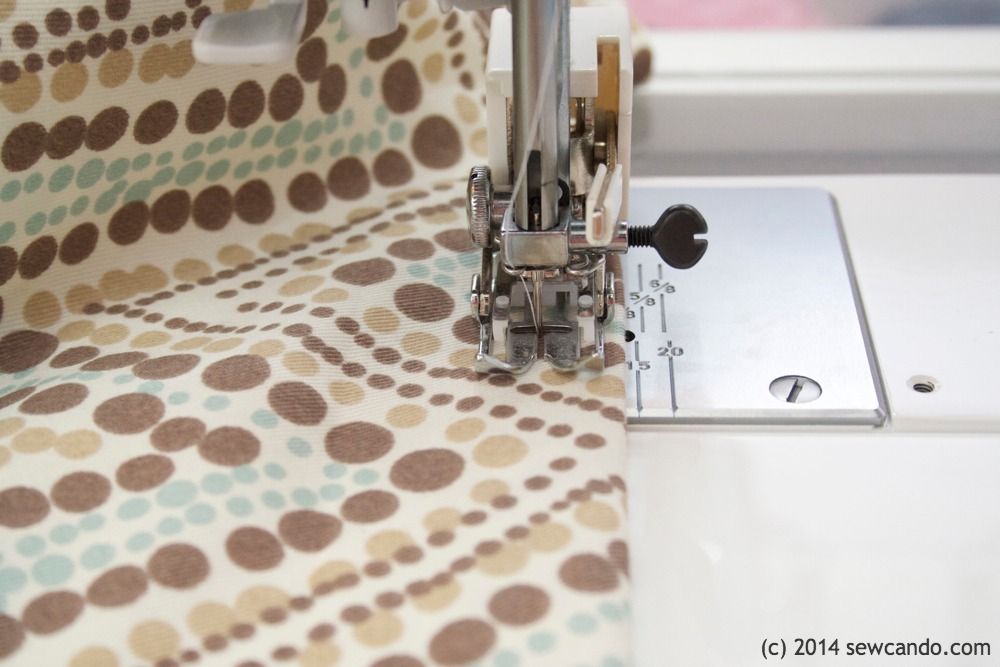
Topstitch 1/2 inch from the folded edge:


Now the cover is good to go and ready to slip cover the blah looking cube.


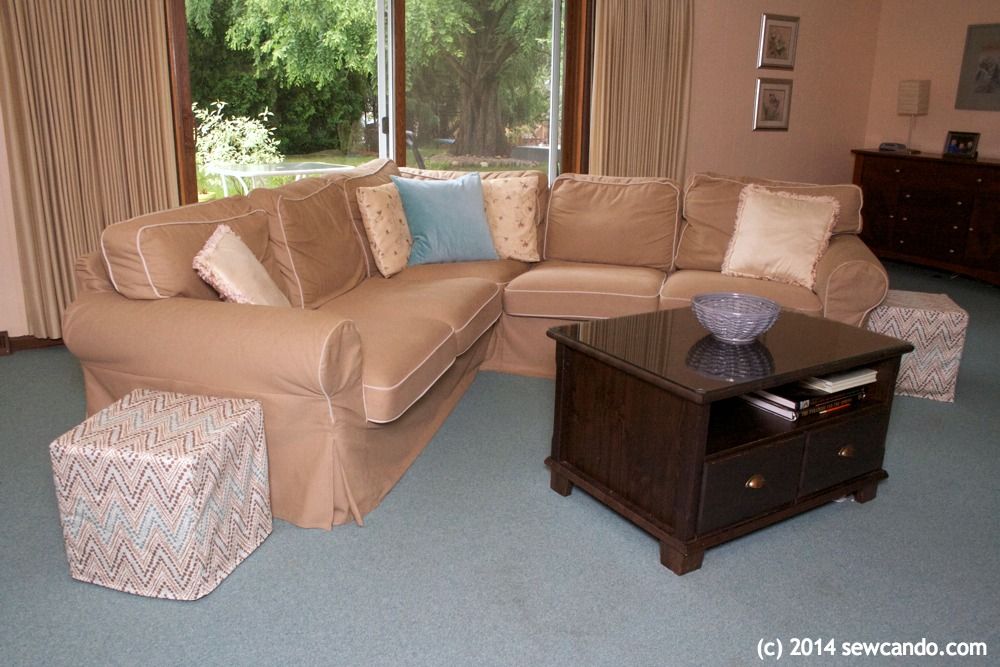
I love how this simple change livens up my family room:


And since it's easy to make and swap out covers, I can switch things up whenever I want. Who doesn't like a decorating change that doesn't take much effort or $$? 


Sharing this with my FAVE LINK PARTIES too-
Click HERE to check them out!

LinkWithin

Related Posts with Thumbnails